Most engagements start with a review. It's the quickest way for both of us to find out whether I can help,
but if your project already has a clear scope, we can start there.
Proving an idea
Fast prototypes, and architecture choices that won't trap you later.
→ 02 · 03
Heading to pilot or production
Design, design for test, pre-build review and certification readiness.
→ 01 · 02
Something isn't working
Diagnosis and rescue of boards and firmware already built.
→ 01 · 03
Building your team
Mentoring and technical leadership.
→ 04
01
Design review
A systems-level review before you commit to a build, or a diagnosis of a board that is
already misbehaving. I look at four levels:
- Circuit: reset and power sequencing, flat-battery recovery,
logic-level compatibility, leakage paths, EMC series termination, and protection that actually protects.
- PCB: stackup, placement, layout, return paths and manufacturability.
- Components: whether the MCU and key parts (chargers, wireless charging,
sensors, NFC, transceivers) fit the job; development environment maturity; lifecycle and supply risk.
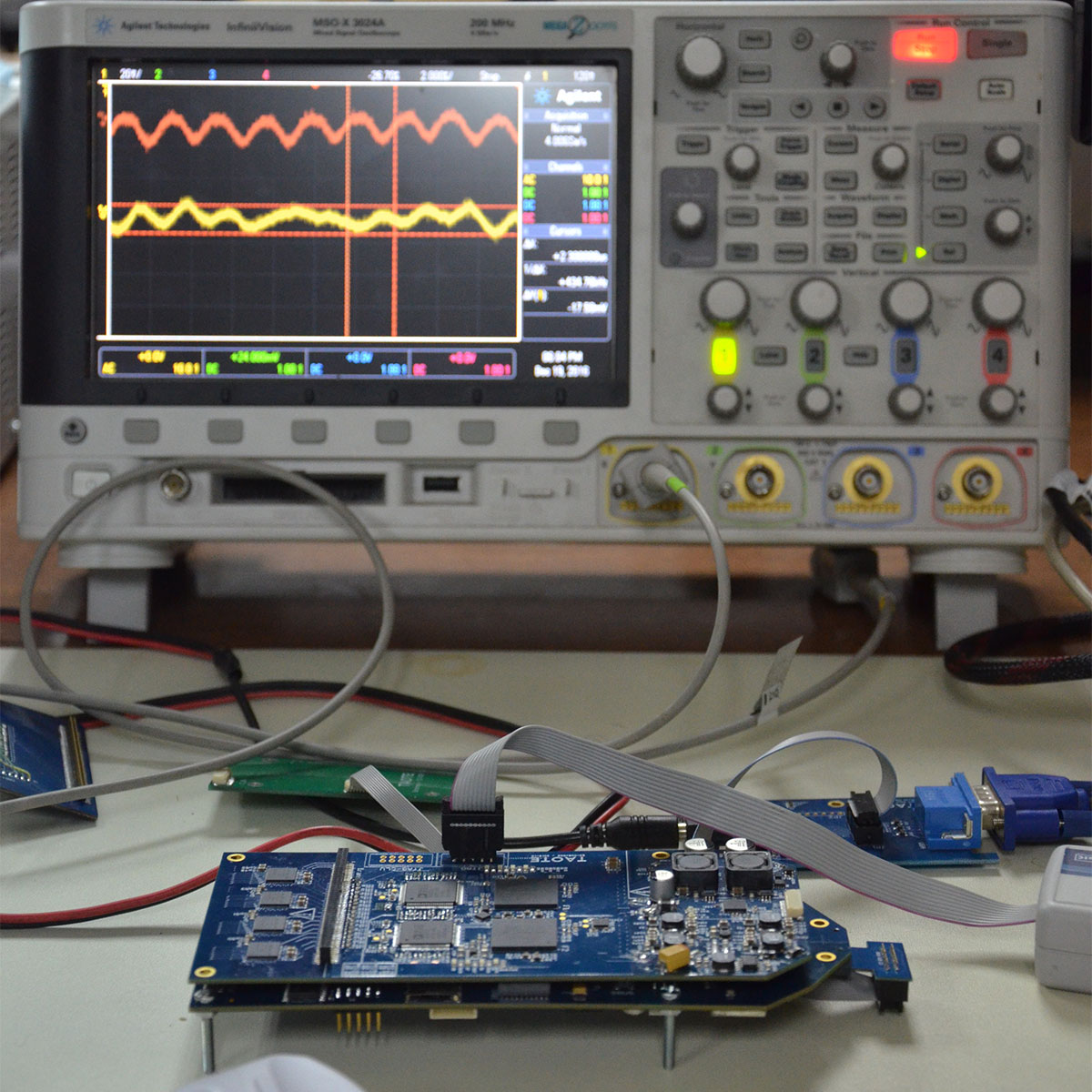
- Testability: a strategy across bring-up, design verification,
end-of-line test and provisioning, and the jigs and tooling it needs.
You get: a written report ranked by severity, a specific fix for each issue,
and a call to walk your team through it.
Ideal for: teams about to order a build, or holding a board that misbehaves for no clear reason.
02 · Core service
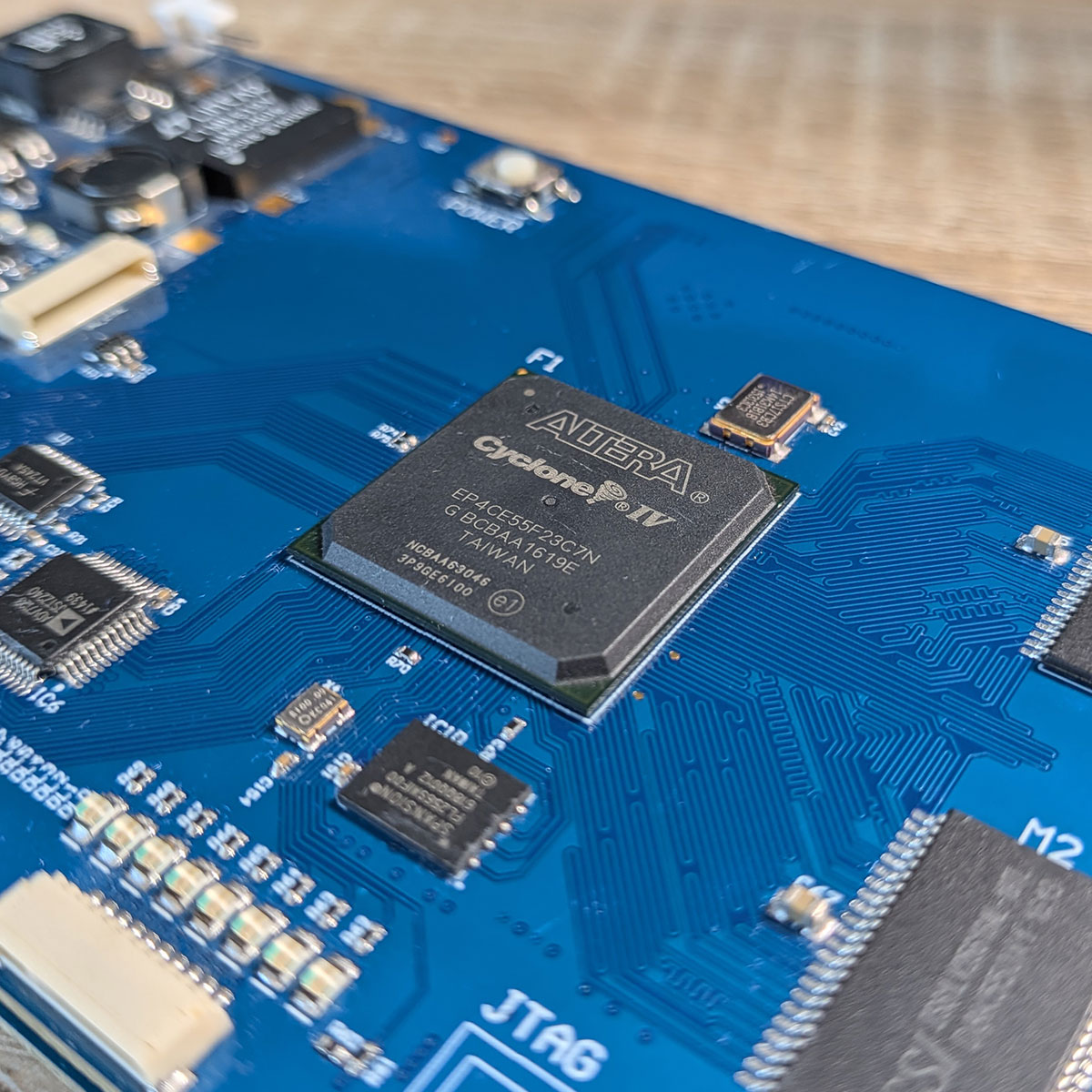
PCB & hardware design
If the review shows what I'd catch, this is what I'd build. From requirements to a
manufacturable board: schematic, stackup, high-density and high-speed layout, EMC-aware
design, BOM and manufacturability, then bring-up and debug of the first articles.
- Source design files and manufacturing outputs, ready for your fabricator
- A BOM checked for lifecycle and supply risk
- Test points and test strategy planned in, not added later
- Bring-up and debug of the first articles
Ideal for: products heading to pilot or production, or a proof of concept that needs
to become a real product.
multilayerBGA / fine pitch
RF-adjacentFPGA
EMCDFM / DFT
03
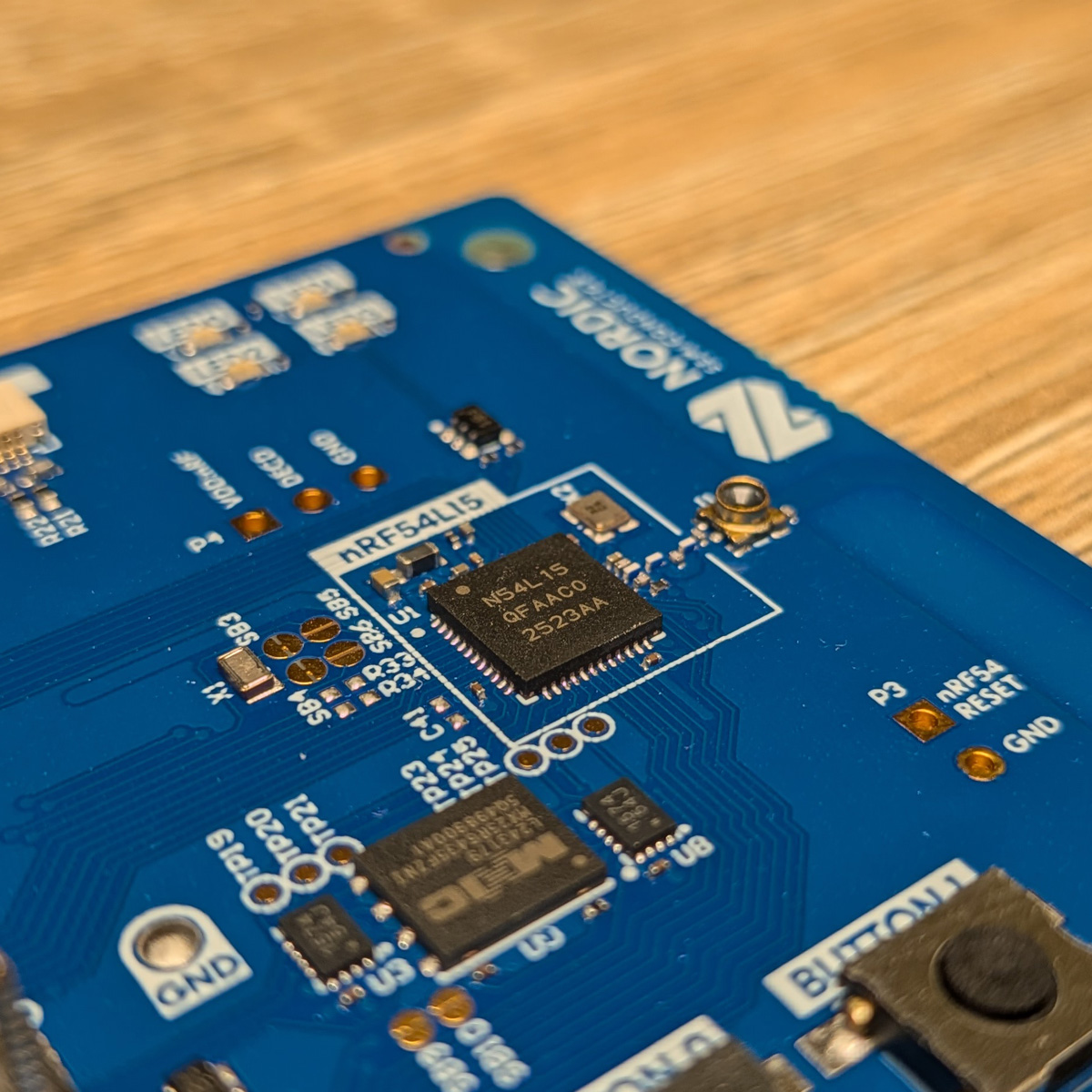
Embedded firmware
Firmware that behaves predictably and is cheap to change. Three ways in, depending on where you are:
- Review: structure, stability risks and test coverage of
an existing codebase.
- Architecture and planning: module responsibilities, interfaces,
test strategy, and a path from proof of concept to a maintainable codebase.
- Implementation: hands-on development, on its own or
alongside your team.
Secure boot, unit tests and CI pipelines are part of how I work, not extras on the quote.
Ideal for: firmware that gets less stable with every feature, or a prototype codebase
about to become the product.
ZephyrFreeRTOS
MatternRF
NXPC / C++
04
Mentoring & technical leadership
Someone to ask before decisions get expensive. Reviews run as teaching sessions, so your
engineers keep what they learn, plus guidance on process and architecture as the product grows.
- Design and code reviews your team learns from, not just a list of fixes
- Regular sessions on process, architecture and tooling
- A second opinion on the decisions that are costly to reverse
Backed by years of teaching: I created the PCB design course at Pontificia Universidad Católica,
lectured computer architecture at Universidad de Chile, and tutored digital systems design at the
University of Melbourne.
Ideal for: small teams without a senior hardware or firmware lead, or engineers
stepping into that role.